
Research Study #4: Project Empower and Employ (EMP2): An Intervention Development Study for Youth with Disabilities At Risk for Justice Involvement
Available formats: PDF

The RRTC on Employment Among Transition-Age Youth with Disabilities is conducting six studies to develop effective practices to improve employment outcomes for transition-aged youth. This plain language research brief provides an update on Research Study #4..
The goal of this study is to develop and test an intervention, Project Empower and Employ (EMP2), for youth with disabilities at risk of justice involvement in school-based settings. We want to find out if the various career development activities offered through EMP2 help the students prepare for employment after graduation. Additionally, we want to know if EMP2 can improve their school attendance, workplace performance, and overall mental health while reducing their likelihood of getting involved with the justice system.
Study Update
- Conducted focus groups with youth with disabilities, professionals (educators and service providers), and employers to identify key topics and support needs to inform the co-development of the EMP2 curriculum.
- Conducted preliminary data analysis of the focus groups and adapted the risk indicators, program curriculum, and implementation strategies.
- Collaborating with two high schools in Eastern Michigan to pilot the EMP2 program in school-based settings.
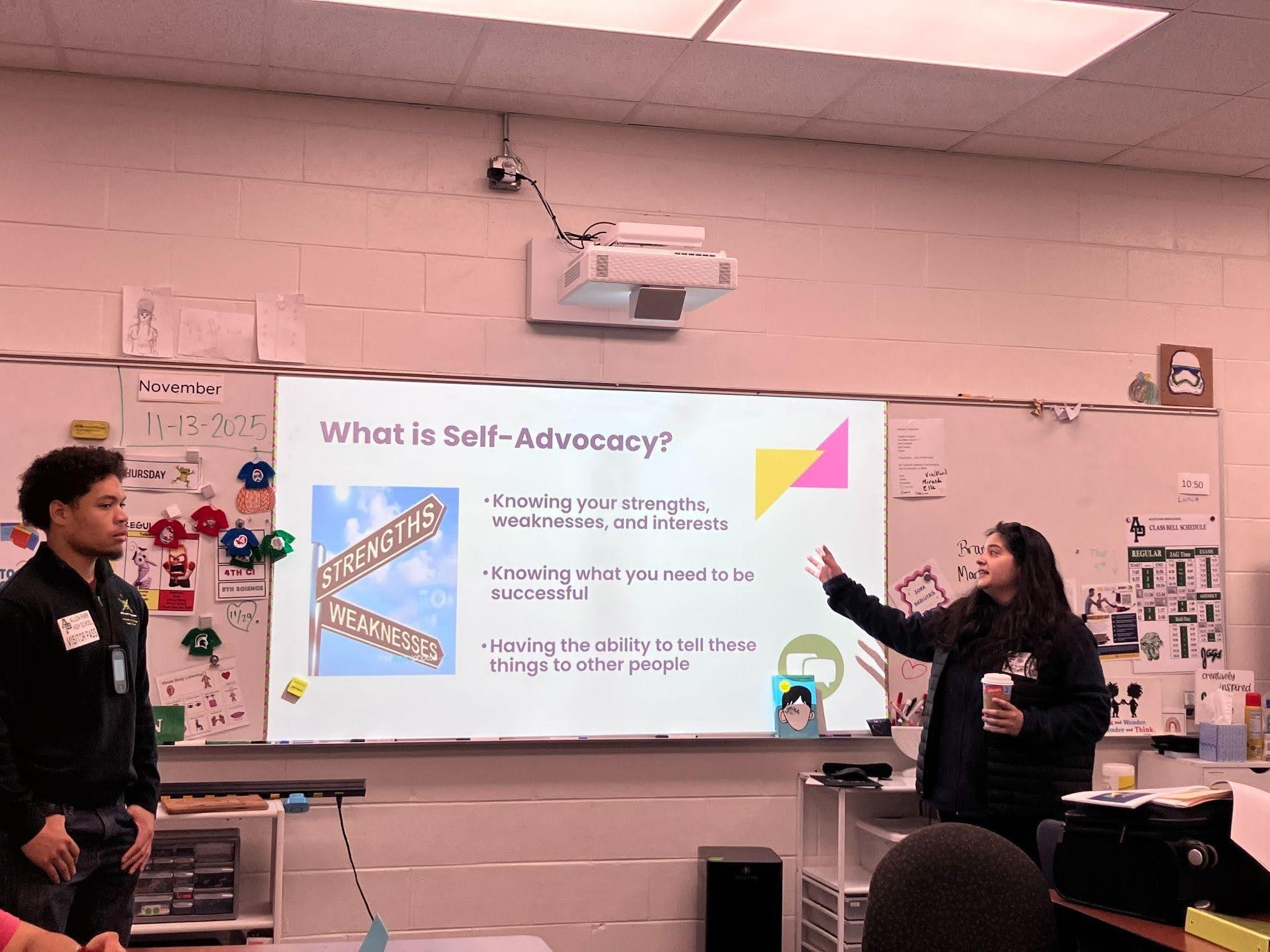
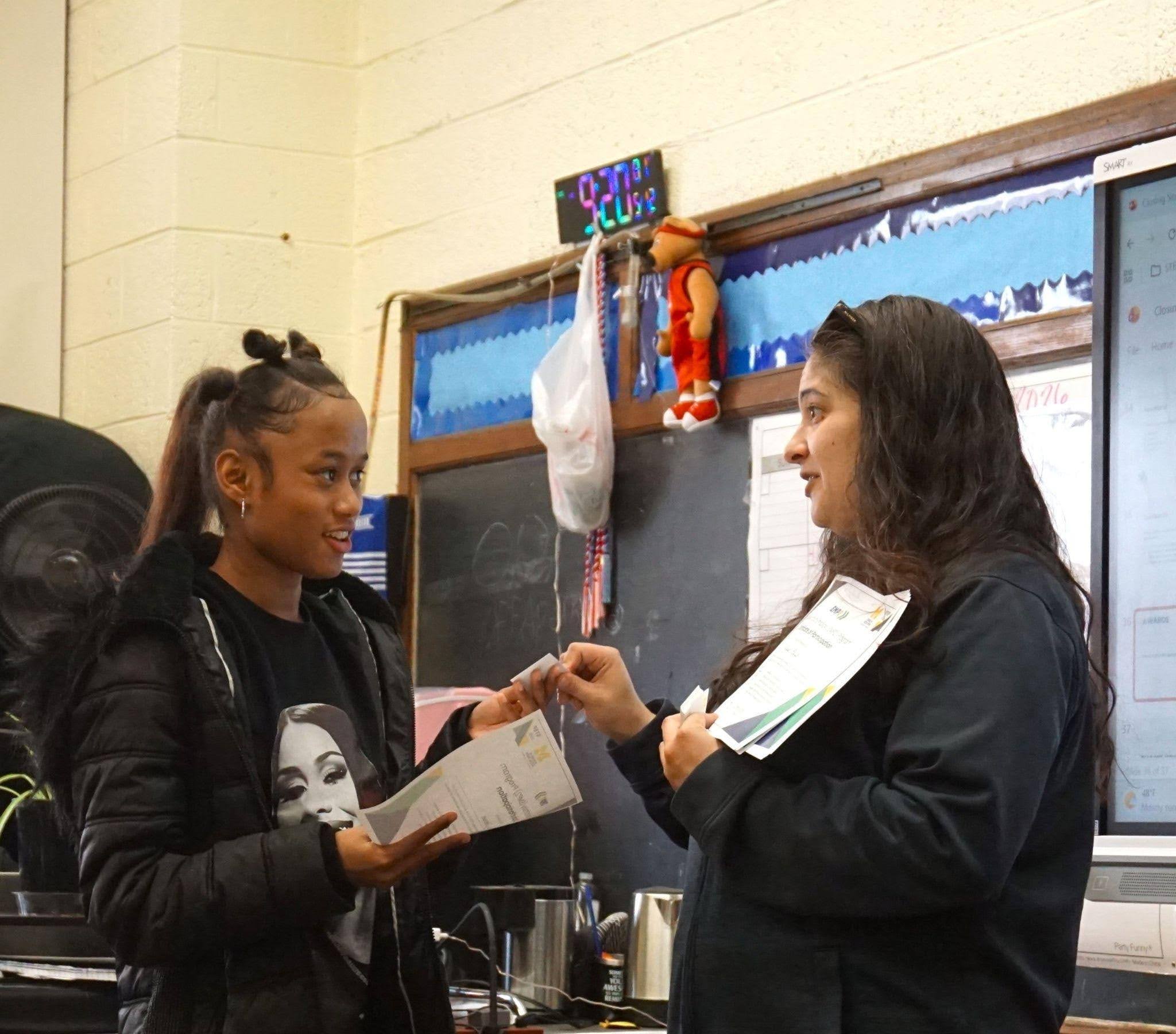
- Implementing manualized, structured in-class training where students are learning various soft skills and job readiness skills.
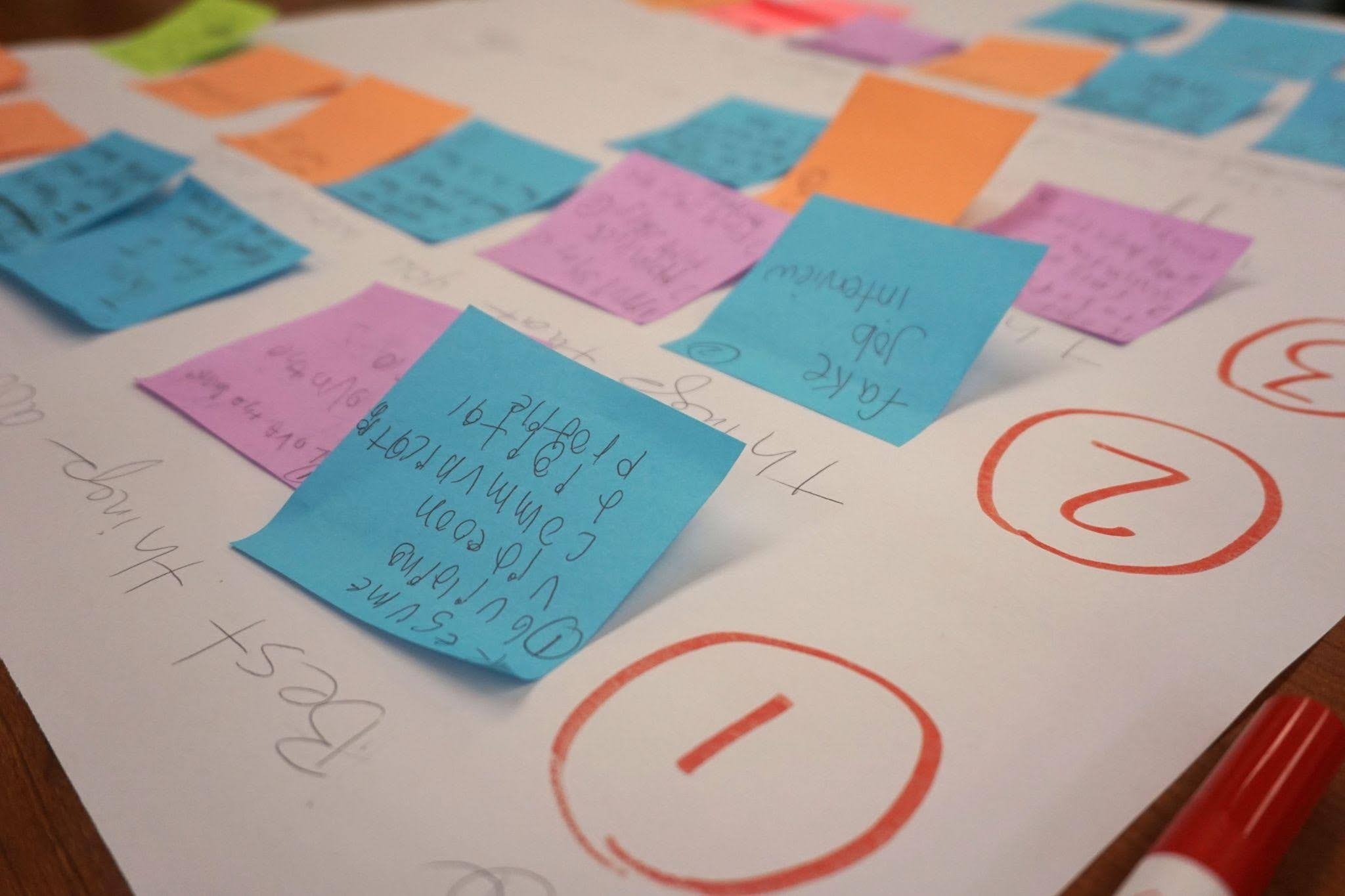
- Using person-centered, guided self-discovery activities to help students explore their strengths and career goals.
- Bringing various guest speakers to share about their career journeys and fields.
- Developing and strengthening partnerships with schools, employers, and local communities.
- Collecting study pilot data with student participants and school personnel to inform program curriculum and logistical changes.
- Training research assistants and field students in research and program implementation.
 l
l
What We Found So Far
Some of the major findings from Phase 1 involved refining and weighing risk indicators to better identify youth who may be at risk of justice involvement, identifying barriers and strategies for successfully implementing EMP2 in school-based settings, and highlighting essential curriculum components for preparing youth for the workforce.
Stakeholders across the focus groups also emphasized the importance of early intervention for youth at risk of justice involvement, through programs like EMP2 that build youth confidence and empowerment. They identified soft skills, particularly communication, as the most important component of the curriculum. Self-discovery was also highlighted as an important curriculum component that should be covered early to help youth identify their strengths and interests, and potential career pathways. Internships and hands-on work experiences were also identified as equally important, with one student participant noting that work experiences "prove to yourself that you are able to do that."
Stakeholders also identified a range of implementation barriers for EMP2 and offered strategies to address them. At the school level, they identified teachers’ heavy workload, limited administrative buy-in, scheduling conflicts, and space limitations as common challenges. They recommended flexible scheduling options, incentive systems for both youth and staff, and alignment with existing school structures. At the family level, they highlighted the role of parents and families as particularly important, noting that families serve as gatekeepers for student participation and that early outreach to families is essential for building trust and reducing stigma-related barriers. Additionally, they suggested offering the program in inclusive group formats, such as the general classroom, to normalize participation and reduce stigma. As such, securing buy-in and cultivating program champions from school administrators, teachers, youth, and families was found to be critical not only for successful implementation but also for the program's long-term sustainability and scalability.
“It’s been great with the students.?They've been listening, they've been involved, and they look forward to it on Tuesdays and Thursdays. They're like, "Are they coming? Are they coming?" And, each to their ability, they’re following along.?[UM STEP Lab’s] EMP2 program covers all the practical and transitional skills like finding work, job applications, and everything. Then, they'll leave the program with me, so I can implement it. And I have a great blueprint to follow.” - Devlin Bell, Teacher at Pershing High School
Next Steps
- Strengthen partnership with existing participating schools to embed EMP2 as part of the school curriculum.
- Recruit additional schools to participate in the research study and businesses to serve as work-based learning sites.
- Continue the iterative cycle of piloting the EMP2 program and collecting ongoing feedback to inform future versions of program materials.
- Continue to include families, community service providers, and employers throughout the research activities.
Learn More
To learn more about this study or the other studies conducted under VCU’s RRTC on Employment of Transition-Age Youth with Disabilities, visit transition.vcurrtc.org.
References
Sung, C., Hernandez, A., Sharma, S., & Schall, C. (n.d.). Refining risk indicators to better identify justice-involved youth with disabilities: A multi-faceted risk indicator framework. Manuscript in preparation
The contents of this website were developed under a grant from the National Institute on Disability, Independent Living, and Rehabilitation Research (NIDILRR grant number #90RTEM0014). NIDILRR is a Center within the Administration for Community Living (ACL), Department of Health and Human Services (HHS). The contents of this website do not necessarily represent the policy of NIDILRR, ACL, HHS, and you should not assume endorsement by the Federal Government.